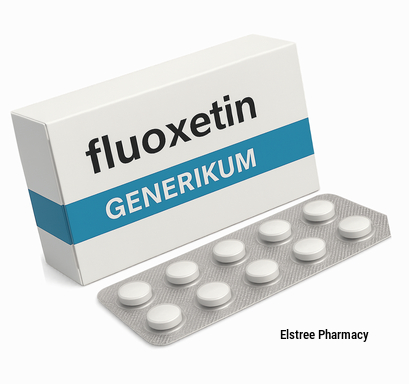
Fluoxetin is classed as a Prescription Only Medicine (POM) in the United Kingdom, meaning it legally requires a valid prescription from a qualified prescriber. Any sale or supply without prescription contravenes MHRA regulations. However, some online pharmacies operate under international licensure and claim to offer fluoxetin without prescription to residents in the UK. This practice may bypass usual safeguards, and patients should exercise caution when purchasing from such outlets. At Elstree Pharmacy, we adhere to UK regulations: we dispense fluoxetin only on receipt of a valid prescription or as part of a clinical governance process that includes remote consultation and verification.
In the UK, medicines are classified into three main legal categories: Prescription Only Medicine (POM), Pharmacy medicine (P), and General Sales List medicine (GSL). Pharmacy medicines can be supplied by a pharmacist without a prescription but with professional oversight. The sale must take place on pharmacy premises or via an online platform that meets MHRA standards, including mandatory pharmacist intervention. Although fluoxetin is not a P-medicine, understanding these distinctions is vital because “buy online” does not always equate to a lawful or safe supply.
Fluoxetin is an antidepressant belonging to the selective serotonin reuptake inhibitor (SSRI) class. It acts by increasing the concentration of serotonin, a key neurotransmitter involved in mood regulation, within synaptic clefts. Originally branded as Prozac, fluoxetin is now widely available as a generic medicine.
SSRIs are a group of medicines that block the reabsorption (reuptake) of serotonin into presynaptic nerve terminals. This mechanism enhances serotonergic neurotransmission and can improve symptom control in depression, anxiety disorders, obsessive-compulsive disorder (OCD), bulimia nervosa, and other conditions.
The active pharmaceutical ingredient in fluoxetin products is fluoxetin hydrochloride. Generic versions contain the same molecular entity as the reference brand but may vary in excipients, tablet shape, colourant, and packaging.
Fluoxetin is typically supplied as immediate-release tablets or capsules, extended-release capsules, and occasionally liquid preparations for paediatric or special-needs use. Each formulation has unique pharmacokinetic properties affecting onset and duration of action.
No. Fluoxetin is not part of the antipsychotic class. It specifically targets serotonin reuptake. Antipsychotics primarily modulate dopamine pathways and are indicated for schizophrenia, bipolar disorder, and other psychoses.
By enhancing serotonergic activity in the brain, fluoxetin can ameliorate mood disturbances, restore sleep patterns, improve appetite, and increase energy levels, making it effective in major depressive disorder and other mood-related conditions.
Serotonin is a neurotransmitter derived from the amino acid tryptophan. It plays roles in mood, cognition, pain perception, sleep, and appetite. Dysregulation of serotonin pathways has been implicated in depression and various anxiety disorders.
Fluoxetin binds selectively to the serotonin transporter (SERT) on presynaptic neurons, inhibiting its function. This blockade prevents reabsorption of serotonin, allowing more of the transmitter to remain available in the synaptic cleft and bind to postsynaptic receptors.
At therapeutic doses, fluoxetin is highly selective for SERT and has minimal activity at noradrenaline or dopamine transporters. However, some off-target receptor interactions can occur, potentially contributing to side effects such as insomnia or sexual dysfunction.
Onset of symptomatic improvement typically occurs within 2 to 4 weeks, though pharmacological effects begin sooner at the receptor level. Full therapeutic benefit may take 6 to 8 weeks, especially for mood-related symptoms.
Fluoxetin has a long half-life (1 to 4 days for fluoxetin and 4 to 16 days for its active metabolite norfluoxetin), leading to gradual accumulation. Achieving steady-state concentrations can take up to 4 weeks, influencing dosing schedules and washout periods before switching antidepressants.
Despite its long half-life, abrupt discontinuation or missed doses can still precipitate discontinuation symptoms in some patients. These may include dizziness, headache, irritability, or paraesthesia.
Prescription charges apply if dispensed within the NHS, subject to patient eligibility and prescription exemptions. Private prescription prices for generic fluoxetin tablets (20 mg, 28 pack) typically range from £5 to £15. Online pharmacies offering “no-prescription” supply may quote prices from £10 to £25 per pack, depending on shipping and packaging.
Price variation can reflect sourcing, generic versus branded product, formulation type, pack size, regulatory compliance costs, and courier fees. Lower advertised prices may omit pharmacist consultation, prescription validation, or customs charges.
| Example | Strength | Formulation | Price | Status | Note |
|---|---|---|---|---|---|
| Prozac | 20 mg | Tablets, 28 units | £30.00 | Prescription Only | NHS subsidised or private price |
| Generic Fluoxetin | 20 mg | Capsules, 28 units | £8.50 | Prescription Only | Private prescription, online payment |
| Online “No Rx” supply | 20 mg | Tablets, 30 units | £12.99 | Unregulated | Fast delivery, no consultation |
Fluoxetin is most commonly available in 10 mg, 20 mg, and 40 mg strengths. Extended-release capsules often come in 90 mg packages designed for weekly dosing in certain markets, though weekly dosing is less common in the UK.
Immediate-release formulations dissolve quickly, requiring daily dosing. Extended-release preparations allow slower drug release, permitting once-weekly or once-daily dosing with potentially smoother plasma concentrations and reduced side effects.
NHS prescription regulations permit a maximum of 28 or 30-day supplies per script. Private or online pharmacies may offer larger packs, but patients should only use medicines under medical supervision and according to prescription validity.
| Feature | Why it matters |
| Strength | Determines dose and titration increments |
| Formulation | Immediate or extended release affects dosing frequency |
| Pack size | Aligns with prescription duration and monitoring |
| Brand vs generic | May affect price and excipient profile |
| Legal status | Ensures appropriate professional oversight |
Generics contain the same active molecule, fluoxetin hydrochloride, but can differ in inactive ingredients, tablet appearance, and manufacturer. All UK-approved generics meet MHRA standards for bioequivalence and quality.
Major depressive disorder (MDD) is characterised by persistent low mood, anhedonia, changes in appetite or sleep, reduced energy, and impaired concentration. Fluoxetin is licensed for the acute and maintenance treatment of moderate to severe MDD.
Fluoxetin is indicated for panic disorder, obsessive-compulsive disorder (OCD), and sometimes off-label for generalized anxiety disorder (GAD) and social anxiety. It can reduce frequency and severity of panic attacks, obsessive thoughts, and compulsive behaviors.
Fluoxetin is also approved for bulimia nervosa under specialist supervision, particularly at higher doses. Clinical guidelines support its use as part of a comprehensive treatment plan including psychotherapy.
Clinicians may prescribe fluoxetin off-label for premenstrual dysphoric disorder (PMDD), post-traumatic stress disorder (PTSD), or certain chronic pain syndromes, based on evidence of serotonergic modulation.
Acute treatment typically lasts at least 6 months after symptom remission to reduce relapse risk. Maintenance therapy may extend to 1–2 years or longer in recurrent depression, with regular review.
Due to its CNS activity, potential side effects, and need for dose titration and monitoring, fluoxetin requires prescription-only status. This ensures evaluation of medical history, drug interactions, and risk/benefit assessment by a prescriber.
Legitimate UK-based online pharmacies will only supply fluoxetin on receipt of a valid prescription. Some international vendors claim “no-prescription” supply; these operate outside UK regulations and may present safety or legal risks.
UK pharmacies must comply with FMD safety features, including unique identifiers and anti-tampering seals. Medicines dispensed outside these systems may be unverified or counterfeit.
Some online clinics use questionnaires, video consultations, or telemedicine to assess suitability. If appropriate, a registered prescriber issues an electronic prescription that can be dispensed by a UK pharmacy, ensuring legal compliance.
Individual response and side effect profiles vary. Another SSRI such as sertraline or citalopram may be preferred based on tolerability, drug interactions, or prescriber experience.
Cognitive behavioral therapy (CBT), interpersonal therapy (IPT), and lifestyle interventions can complement or in some cases substitute medication, especially in mild to moderate depression or anxiety.
Sertraline has a shorter half-life (one day) and may have a slightly faster onset but also carries similar side effect risks. Fluoxetin’s long half-life can reduce withdrawal symptoms but prolongs washout before switching therapies.
Citalopram’s dose-dependent QT prolongation requires ECG monitoring at higher doses. Fluoxetin has a lower risk of QT changes but interacts significantly with CYP2D6 substrates.
| Feature | Fluoxetin | Sertraline | Citalopram |
| Half-life | 1–4 days (fluoxetin), 4–16 days (norfluoxetin) | 1 day | 35 hours |
| Onset | 2–4 weeks | 1–3 weeks | 1–4 weeks |
| Metabolism | CYP2D6 inhibitor | CYP3A4, 2C19 | CYP2C19 inhibitor |
| Withdrawal risk | Low | Moderate | High |
| QT risk | Low | Low | Moderate at high dose |
No. Choice depends on individual factors: co-morbidities, concurrent medications, pregnancy, hepatic function, and personal history. No single SSRI is universally superior.
While no dietary restrictions are strictly required with fluoxetin, a balanced diet supports overall mental health. Some patients may experience appetite changes and weight fluctuations during treatment.
Alcohol can worsen depression and anxiety and may potentiate sedative effects of SSRIs. Concurrent use is not contraindicated but is generally discouraged by healthcare professionals.
Smoking induces certain liver enzymes but has minimal direct impact on fluoxetin metabolism. However, smoking cessation can improve mood and reduce pharmacodynamic interactions with other psychotropic drugs.
SSRIs can affect sleep architecture. Good sleep habits—regular bedtime, dark environment, and avoiding screens before bed—can maximise therapeutic benefit and reduce insomnia risk.
Yes. Common side effects include nausea, headache, insomnia, anxiety, tremor, sweating, and sexual dysfunction. Most are transient, emerging within the first few weeks and resolving with continued therapy.
| Area | Examples described in product information |
| Gastrointestinal | Nausea, diarrhoea, indigestion |
| Nervous system | Insomnia, headache, dizziness |
| Psychiatric | Anxiety, agitation, suicidal thoughts in young adults |
| Sexual | Decreased libido, erectile dysfunction, delayed orgasm |
| Skin | Rash, pruritus |
| Long-term considerations | Bone density changes, hyponatraemia |
Yes. Though rare, serious hypersensitivity reactions—such as angioedema, anaphylaxis, or severe rash—require immediate discontinuation and medical attention.
SSRIs can increase suicidal ideation in children, adolescents, and young adults during initial treatment or dose changes. Close monitoring during these periods is essential.
Most sexual dysfunction resolves upon dose reduction or discontinuation, though some patients may experience persistent symptoms. Consultation with a healthcare professional is advised for management strategies.
Tapering the dose over weeks or months minimises withdrawal symptoms such as dizziness, irritability, electric shock sensations, or vivid dreams. A taper schedule should be personalized by a prescriber.
Long-term treatment may be necessary in chronic or recurrent depression. Annual medication reviews should assess ongoing benefit versus potential risks, including bone health, metabolic changes, and emotional blunting.
Evidence suggests possible risks—such as persistent pulmonary hypertension in neonates—if used late in pregnancy. Use during pregnancy and breastfeeding requires specialist advice and risk-benefit evaluation.
Age-related pharmacokinetic changes and polypharmacy in older adults can increase sensitivity to side effects like hyponatraemia and falls. Lower starting doses and careful monitoring are recommended.
Yes. Fluoxetin inhibits CYP2D6 and to a lesser degree CYP2C19, potentially increasing plasma levels of drugs metabolized by these enzymes. Notable interactions include tricyclic antidepressants, antipsychotics, beta-blockers, and certain opioids.
A potentially life-threatening condition from excessive serotonergic activity. Symptoms include agitation, confusion, rapid heart rate, high blood pressure, dilated pupils, muscle rigidity, and hyperthermia. Avoid combining fluoxetin with MAOIs or other serotonergic drugs without proper washout periods.
Herbal supplements such as St John’s wort can induce CYP3A4 and P-glycoprotein, reducing fluoxetin levels, and increase risk of serotonin syndrome when combined with SSRIs.
Fluoxetin can potentiate the effect of warfarin, increasing bleeding risk. Regular INR monitoring is advised if co-administered.
A generic fluoxetin product contains the same active ingredient as the reference brand and must demonstrate bioequivalence. Inactive ingredients, tablet shape, and packaging may differ between manufacturers.
Different marketing authorisations can specify distinct indications, excipients, pack sizes, or patient information, leading to variations in the patient leaflet and Summary of Product Characteristics.
The Medicines and Healthcare products Regulatory Agency oversees regulation and classification of medicines in the UK. It ensures safety, quality, and efficacy through licensing, inspection, and pharmacovigilance.
Medicine regulation is product-specific. The approved indication, legal status, dosage instructions, contraindications, and full safety information are detailed in the Summary of Product Characteristics for each authorised product.
Reliable sources include the MHRA website, the electronic Medicines Compendium (eMC), the British National Formulary (BNF), and qualified healthcare professionals.
No. This page is for general guidance provided by Elstree Pharmacy (The Corner Shop B, High Street, Elstree, WD6 3BY). For personalized advice, please speak to our pharmacy team or your GP.