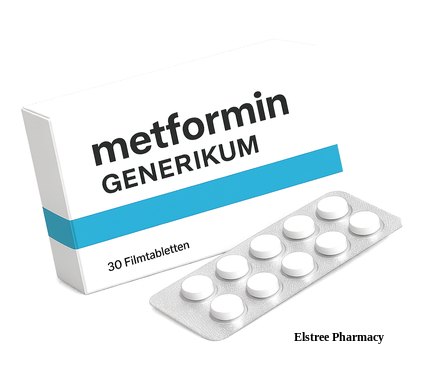
Metformin is licensed in the United Kingdom as a Prescription Only Medicine (POM), meaning it cannot legally be supplied without a valid prescription from a qualified healthcare professional. This classification ensures that individuals starting metformin treatment receive appropriate medical evaluation, including blood glucose testing, renal function assessment and general health review.
Despite its POM status, some online pharmacies and international suppliers advertise metformin for sale without prescription, promising cheaper or generic alternatives. Purchasing metformin without prescription bypasses UK regulations and carries potential health and legal risks. The Medicines and Healthcare products Regulatory Agency (MHRA) recommends that metformin be initiated and monitored under medical supervision.
For patients with confirmed type 2 diabetes or other authorised indications, a prescription remains the safest and most legally compliant route to obtain metformin in the UK. Pharmacists at Elstree Pharmacy will verify and dispense metformin only on receipt of a valid prescription, ensuring adherence to dosage instructions and providing counselling on side effects and monitoring.
Self-medicating with metformin without prescription can result in suboptimal dosing, unmonitored renal or hepatic impairment and undetected contraindications. Anyone considering purchase of metformin online without prescription should be aware of potential counterfeit products, incorrect strength formulations and lack of professional support.
The UK classifies human medicines into three legal categories: Prescription Only Medicine (POM), Pharmacy medicine (P) and General Sales List (GSL) medicine. Metformin firmly resides in the POM category, requiring a prescription. Pharmacy medicines (P) can be supplied without prescription but only under the supervision of a pharmacist and subject to specific supply protocols.
Pharmacy medicines are sold over the counter within a registered pharmacy setting, often for self-limiting conditions such as minor pain, cough, indigestion or allergies. Metformin does not fall into the P category due to the need for laboratory monitoring, dosage titration and the prevention of rare but serious side effects such as lactic acidosis.
Understanding these classifications is essential when seeking to buy metformin cheap online or considering overseas supplies. Only legitimately authorised schemes and pharmacies regulated by the MHRA and General Pharmaceutical Council (GPhC) can legally dispense metformin in the UK environment.
Elstree Pharmacy operates under strict compliance with UK pharmacy law. Any advertising or offers of metformin without prescription or “cheap POM” are not endorsed by reputable UK-registered pharmacies. Patients requiring metformin are encouraged to consult their GP or pharmacist for safe, legal supply.
Metformin is an oral antidiabetic medication belonging to the biguanide class. It is widely prescribed as first-line treatment for type 2 diabetes mellitus and has been used clinically for decades to improve glycaemic control.
Biguanides are a group of medicines that act primarily by reducing hepatic glucose production (gluconeogenesis) and enhancing peripheral glucose uptake. Metformin is the only biguanide currently licensed in most Western countries.
The pharmaceutical active substance is metformin hydrochloride. Generic products contain the same active molecule, while excipients, tablet coatings and release profiles may vary among brands.
Extended-release (XR or SR) formulations are designed to release metformin gradually over 8 to 24 hours, offering more stable blood glucose levels and potentially reducing gastrointestinal side effects such as nausea and diarrhoea that can occur with immediate-release (IR) tablets.
No. Metformin does not contain insulin. It works by increasing insulin sensitivity, reducing hepatic glucose output and improving glycaemic control without directly supplying exogenous insulin.
Metformin decreases hepatic gluconeogenesis by inhibiting mitochondrial respiratory chain complex I and activating AMP-activated protein kinase (AMPK). This leads to reduced glucose production by the liver and enhanced peripheral glucose uptake in muscle and adipose tissue.
Unlike sulfonylureas, metformin does not stimulate pancreatic insulin release, thereby avoiding hypoglycaemia as a primary side effect when used alone. Its action is insulin sensitising rather than insulin secretagogue.
Metformin can modestly reduce intestinal glucose absorption, contributing to its overall antihyperglycaemic effect. The impact on gastrointestinal transit and microbiota may also play a role in metabolic improvements.
Immediate-release metformin peaks within two hours, while extended-release tablets maintain steadier plasma concentrations over a prolonged period. This difference can influence dosing schedules, tolerability and patient adherence.
Metformin is first-line for most type 2 diabetes patients but is contraindicated in individuals with severe renal impairment (eGFR <30 mL/min/1.73 m²), acute dehydration or conditions predisposing to lactic acidosis. Clinical assessment guides its use.
Metformin prices vary by formulation, strength, pack size, brand and pharmacy retailer. Generic IR tablets are typically the cheapest option, whereas branded and XR versions can command higher prices. Online promotions may advertise lower costs but may not include professional dispensing and counselling.
Costs reflect manufacturer margins, pharmacy mark-up, distribution fees and insurance reimbursement frameworks. Online sellers may offer discounts by reducing overheads, but the authenticity and regulatory compliance of these sources must be verified.
| Example | Strength | Formulation | Price (approx.) | Status | Note |
|---|---|---|---|---|---|
| Generic A | 500 mg | IR tablets | £5–£10 per 100 | Prescription only | Standard generic product |
| Generic B | 500 mg | Extended-release | £12–£18 per 60 | Prescription only | Reduced GI side effects |
| Brand X | 850 mg | IR tablets | £20–£25 per 60 | Prescription only | Patented identity |
For current prices and to purchase metformin safely with a valid prescription, please consult Elstree Pharmacy or your GP. Claims of “buy metformin without prescription cheap” should be treated with caution.
Metformin is commonly supplied in strengths of 500 mg, 850 mg and 1000 mg per tablet or tablet equivalent (XR). Dosing may start at 500 mg once or twice daily, with stepwise titration based on glycaemic response and tolerability.
Immediate-release (IR) tablets, extended-release (XR/ER) preparations and oral liquids are available. XR formulations may carry suffixes such as XR, SR or XL depending on the manufacturer’s nomenclature.
Pack sizes range from 28 to 100 tablets. The quantity affects the number of pharmacy visits needed for repeat dispensing, prescription durations and cost per item under NHS or private pricing schemes.
Generic metformin contains the same active substance at the same strength as branded equivalents, meeting bioequivalence criteria. Excipients, tablet shape, coating and release characteristics may vary slightly.
Check tablet imprints, packaging seals, batch numbers and expiry dates. Purchase only from MHRA-registered pharmacies to reduce the risk of counterfeit products. Confirm details with the Summary of Product Characteristics.
Type 2 diabetes is characterised by insulin resistance, relative insulin deficiency and elevated blood glucose. Metformin is widely recommended as first-line therapy to improve glycaemic control, reduce complications and support weight management.
Polycystic ovary syndrome (PCOS) often involves insulin resistance. Off-label metformin can improve ovulation rates, menstrual regularity and metabolic parameters in women with PCOS, although it is not MHRA-approved for this indication in the UK.
Metformin has been investigated for weight management, polycystic kidney disease and certain cancer adjuvant therapies. These uses are largely experimental or off-label and require specialist supervision.
For individuals with impaired glucose tolerance or prediabetes, lifestyle modification is first-line. Metformin may be considered when weight loss and diet alone are insufficient to prevent progression to type 2 diabetes.
Age, renal and hepatic function, cardiovascular risk, concomitant medications and gastrointestinal tolerability influence dosing decisions. Regular clinical review ensures benefit outweighs risk.
A Prescription Only Medicine requires a valid prescription from a qualified prescriber. Metformin is classified as POM due to the need for dose titration, monitoring of renal function and assessment of contraindications.
No. Unlike some lower-risk treatments, metformin cannot be downgraded to Pharmacy medicine. Its classification reflects the necessity for laboratory tests and professional oversight.
Reclassification from POM to P or GSL requires submission of clinical safety data, risk management plans and justification to the MHRA. There is no current initiative to reclassify metformin.
The MHRA, in collaboration with the General Pharmaceutical Council (GPhC), regulates supply. Non-compliant supply of metformin without prescription infringes UK law and may result in legal sanctions.
Understanding the POM classification prevents unregulated acquisition and ensures safe, monitored treatment. “Cheap metformin without prescription” offers often bypass critical safeguards.
Dual or triple therapy may be required when monotherapy does not achieve glycaemic targets. Combination pills can improve adherence and reduce pill burden.
Yes. Products combining metformin with DPP-4 inhibitors, SGLT2 inhibitors or sulfonylureas exist. These fixed-dose combinations must also be POM and titrated under medical supervision.
Insulin is introduced when oral agents fail to maintain target HbA1c or in cases of severe hyperglycaemia. Metformin may be continued alongside insulin for its insulin-sparing benefits.
Both lower blood glucose, but sulfonylureas stimulate insulin release, carrying higher hypoglycaemia risk. Metformin’s insulin sensitisation offers weight neutrality or modest weight loss.
SGLT2 inhibitors act via renal glucose excretion and have diuretic effects. They offer cardiovascular benefits but carry risks of genital infections. Metformin remains foundational therapy.
DPP-4 inhibitors enhance incretin effect and are weight-neutral. They may be preferred when metformin is contraindicated or not tolerated, though cost is higher.
Insulin provides potent glycaemic lowering but requires injection, carries hypoglycaemia risk and can promote weight gain. Metformin is oral, inexpensive and weight neutral.
No. Treatment choice depends on efficacy, side effect profile, comorbidities, cost and patient preference. Metformin’s safety, affordability and long track record make it first-line in most guidelines.
| Feature | Metformin | Sulfonylureas | SGLT2 inhibitors |
| Drug class | Biguanide | Sulfonylurea | SGLT2 inhibitor |
| Hypoglycaemia risk | Low | Moderate–High | Low |
| Weight effect | Neutral/Loss | Gain | Loss |
| Cardio benefit | Neutral | Variable | Yes |
Yes. Carbohydrate quality, meal timing and portion control significantly affect postprandial glucose excursions. A balanced diet with whole grains, lean proteins and low glycaemic index foods supports metformin efficacy.
Regular physical activity improves insulin sensitivity, glucose uptake and cardiovascular health. Combining exercise with metformin can produce additive benefits in glycaemic control.
Alcohol can cause unpredictable blood glucose swings, risking hypoglycaemia or hyperglycaemia. Patients on metformin should discuss safe drinking limits with their healthcare provider.
Excess weight exacerbates insulin resistance. Lifestyle modifications aiming at 5–10% weight loss can enhance metformin response and reduce the need for additional therapies.
Smoking increases cardiovascular risk and may impair glycaemic control. Smoking cessation is advised for all patients with type 2 diabetes on metformin or other treatments.
Yes. Gastrointestinal upset is common, including nausea, abdominal discomfort, diarrhoea and flatulence. Starting at low doses and gradual titration can improve tolerability.
Lactic acidosis is rare but serious, associated with accumulation of metformin in cases of renal failure, dehydration or hypoxia. Symptoms include muscle pain, breathlessness and severe weakness. Immediate medical attention is required.
Vitamin B12 deficiency can occur with long-term metformin use, leading to anaemia or neuropathy. Periodic monitoring of B12 levels is recommended, particularly in high-dose or long-duration users.
Hypersensitivity is uncommon but can manifest as rash or urticaria. Discontinue metformin if severe allergic symptoms develop and seek medical advice.
Pharmacists at Elstree Pharmacy can advise on dose titration, managing gastrointestinal side effects, supplementing B12 and recognising alarm features requiring urgent review.
Long-term use of metformin necessitates periodic assessment of renal function (eGFR), liver function tests, B12 levels and glycaemic markers such as HbA1c. This ensures continued safety and efficacy.
Metformin is contraindicated if eGFR falls below 30 mL/min/1.73 m². Dose adjustment may be required in mild to moderate renal impairment (eGFR 30–60). Regular monitoring prevents drug accumulation and lactic acidosis risk.
Guidelines recommend checking HbA1c every 3–6 months to assess glycaemic control and guide treatment adjustments, including additional or alternative therapies if targets are not met.
Patients on metformin should have routine cardiovascular risk assessments, including blood pressure, lipid profile and smoking status, due to the high prevalence of cardiovascular disease in type 2 diabetes.
Regular medication reviews can identify adherence issues, side effects, potential drug interactions and the need for regimen changes, ensuring that metformin use remains appropriate over time.
Yes. Cimetidine can reduce metformin clearance, increasing risk of lactic acidosis. Concomitant use of iodinated contrast agents may transiently impair renal function. Diuretics and ACE inhibitors require renal monitoring.
Excessive alcohol intake can potentiate lactic acidosis risk by impairing hepatic lactate clearance. Moderate consumption should be discussed and risk-managed.
Metformin does not undergo significant hepatic metabolism but can influence absorption of vitamin B12 and folic acid. Monitor and supplement as indicated.
Symptoms such as unexplained muscle pain, severe weakness, respiratory distress or dizziness warrant immediate cessation of metformin and urgent medical evaluation for lactic acidosis.
Generic metformin contains the same active ingredient as branded products and meets UK regulatory standards for quality, safety and efficacy. Inactive components and tablet appearance may vary between manufacturers.
Online pharmacies may offer competitive pricing by sourcing generics in bulk or operating with lower overheads. Always verify MHRA registration, physical UK address and professional credentials before ordering.
Check for GPhC registration number, secure website certificate (https), clear contact details and pharmacist access. Beware of websites promoting “cheap metformin without prescription” with no pharmacist contact or UK presence.
No. Information found on websites is general. Individual dosing, contraindications and monitoring requirements must be tailored by a healthcare professional. Elstree Pharmacy offers online support and telephone consultation for metformin supply by prescription.
Consult the MHRA, electronic Medicines Compendium (eMC), NICE guidelines and your GP or pharmacist. For safe purchase and professional advice, speak to Elstree Pharmacy (The Corner Shop B, High Street, Elstree, WD6 3BY).