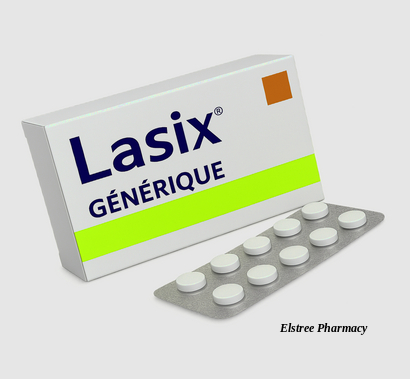
Lasix, known generically as furosemide, is a potent prescription and pharmacy medicine that belongs to the class of loop diuretics. First introduced in the 1960s, furosemide works by acting on the kidneys to increase the excretion of excess water and sodium. It targets the thick ascending limb of the loop of Henle, an area of the nephron responsible for reabsorbing a significant fraction of filtered sodium and chloride. By inhibiting the sodium-potassium-chloride cotransporter, Lasix promotes diuresis—enhanced urine output—thereby reducing fluid overload in various medical conditions.
The mechanism of action begins when furosemide is secreted into the proximal tubule of the kidney. From there, it travels to the loop of Henle where it blocks the NKCC2 transporter. As a result, water retention is diminished, and patients experience relief from symptoms such as oedema, breathlessness and swelling associated with heart failure, liver cirrhosis or renal disease. The onset of action for oral furosemide typically occurs within 30 to 60 minutes, while intravenous administration may produce diuretic effects within 5 to 10 minutes. The diuretic effect peaks around one to two hours post-dose and can last six hours or more, depending on dose and patient factors.
Furosemide (Lasix) is classified as a Prescription Only Medicine (POM) in the United Kingdom for most indications. This classification is due to the need for medical supervision, precise dosing and monitoring of renal function and electrolytes. While some lower-strength diuretics such as hydrochlorothiazide or indapamide may sometimes be reclassified as Pharmacy (P) medicines, Lasix remains under stricter control because of its potency and potential for electrolyte imbalance.
In the UK, “buying” or “ordering” Lasix without a prescription is legally limited. However, certain online pharmacies may offer a clinical questionnaire or remote consultation, resulting in a legal supply under a Patient Group Direction (PGD) or a pharmacist-signed order. These frameworks ensure that furosemide is supplied appropriately, with professional oversight to reduce the risk of complications. It is important to verify that any “cheap generic” Lasix or furosemide offered online without prescription is provided by a registered pharmacy with MHRA authorization, as genuine products require controlled distribution.
Loop diuretics are a class of diuretic drugs that inhibit sodium, chloride and potassium reabsorption in the loop of Henle. They are among the most potent diuretics available, making them effective for rapid fluid mobilization in clinical settings. Furosemide, bumetanide, torsemide and ethacrynic acid are well-known examples. These agents differ in potency, half-life and bioavailability but share a common pharmacological target.
Loop diuretics increase the delivery of solutes to the distal segments of the nephron, which can lead to natriuresis (sodium excretion) and kaliuresis (potassium excretion). Because they act on an early segment of the nephron, loop diuretics can produce greater diuresis than thiazide or potassium-sparing diuretics. They are typically used when rapid fluid removal is required, for example in acute pulmonary oedema, severe heart failure exacerbations or advanced chronic kidney disease. The potency and efficacy of loop diuretics require careful monitoring to avoid dehydration, hypotension and electrolyte disturbances.
Fluid balance in the body is maintained through a delicate equilibrium between intake, distribution and excretion. Loop diuretics disrupt this balance by promoting significant water and electrolyte loss via the urine. Furosemide increases glomerular filtration of sodium and reduces its reabsorption, thereby dragging water molecules along and resulting in increased urine volume. Clinically, this diuretic effect helps to relieve oedema in tissues, reduce pulmonary congestion and lower blood pressure.
Patients advised to use Lasix must be aware of the risk of dehydration and orthostatic hypotension. A rapid reduction in intravascular volume can cause dizziness or fainting, especially when standing up. Health professionals often recommend gradual dose titration and regular monitoring of body weight, blood pressure and renal function. Maintaining adequate fluid intake—balanced with the therapeutic goal of fluid removal—is essential to optimize safety and efficacy. Electrolyte monitoring, particularly for potassium, magnesium and sodium, is a critical component of loop diuretic therapy.
Lasix (furosemide) is predominantly used to manage fluid overload and hypertension. Its indications include:
In heart failure, Lasix alleviates symptoms of systemic and pulmonary congestion, improving exercise tolerance and quality of life. In cirrhosis, it helps control ascites and peripheral swelling. For hypertensive patients unresponsive to monotherapy with thiazides or ACE inhibitors, adding a loop diuretic may improve blood pressure control, particularly when renal impairment is present. In all cases, dosing and duration are tailored to individual needs, with ongoing review to adjust therapy based on clinical response and laboratory findings.
Lasix is available in multiple formulations to accommodate different clinical scenarios and patient preferences:
Pack sizes vary by pharmacy, brand and generic manufacturer. Tablets are commonly supplied in packs of 28, 30 or 100, depending on strength and intended duration. Oral solution bottles often come in 100 mL volumes, while ampoules are available in boxes of 5 or 10 for hospital or home administration by professionals. Legal classification requires a prescription or pharmacist assessment, and pack size can influence supply conditions under PGDs or PGDs.
Generic versions of Lasix contain the same active ingredient (furosemide) and are regulated by the MHRA to ensure bioequivalence to the originator product. Inactive ingredients may differ, impacting tablet size, color, coating and excipients, but these differences do not alter clinical efficacy when products are approved as equivalents.
Generic Lasix is often significantly cheaper than the brand name, making it an attractive option for patients seeking cost savings. The generic market may feature multiple manufacturers, leading to competition and lower consumer prices. When ordering online, patients should verify that generics are supplied by reputable pharmacies with valid MHRA licences, and that the product packaging includes batch numbers and expiry dates. Both generic and branded furosemide require proper labelling and patient leaflets in line with UK regulatory standards.
Switching between generic and branded formulations is generally safe, but healthcare providers should monitor patient response when changes occur, especially in those who are elderly, have renal impairment or are on multiple concomitant medications.
Online pharmacies in the UK offer a range of prices for Lasix and its generic equivalents. Factors influencing price include brand versus generic, pack size, strength, special promotions and delivery fees. Prices can vary from as low as £5 for a pack of 28 tablets of generic furosemide 40 mg to £25 or more for branded formulations with identical strengths.
For patients seeking cheaper options, generic Lasix is widely available without sacrificing quality. Many online providers list prices transparently on their websites, allowing customers to compare offers. Some pharmacies provide bulk discounts or subscription services for regular orders, reducing per-unit costs further. Always check the total cost, including shipping and handling, before purchase. Be cautious of unusually low prices that may indicate substandard products or illicit supply chains.
| Product | Strength | Pack Size | Example Price (GBP) | Status | Note |
|---|---|---|---|---|---|
| Generic Furosemide | 40 mg | 28 tablets | £5.99 | In stock | Order online, cheap generic |
| Lasix (brand) | 40 mg | 28 tablets | £14.50 | In stock | Higher price, brand name |
| Furosemide Oral Solution | 10 mg/mL | 100 mL | £8.75 | Information | Prescription required |
Purchasing Lasix or generic furosemide online without a prescription involves:
This process ensures that patient safety and legal requirements are met. Prices are often lower than high-street pharmacies due to reduced overheads. Bulk-buy discounts, loyalty programs and subscription services can further reduce the cost of repeated purchases. Always confirm that the pharmacy website displays a registered pharmacy logo, MHRA registration number and clear contact details.
Like all medications, Lasix may cause side effects. Common adverse reactions include:
Most side effects are dose-dependent and reversible upon dose adjustment or discontinuation. Patients should report symptoms such as severe weakness, muscle cramps, palpitations or hearing changes, as furosemide in high IV doses can cause ototoxicity. The patient information leaflet provides full frequency categories and warnings. Monitoring blood tests periodically is essential during extended therapy.
Furosemide interacts with multiple drug classes. Key interactions include:
Contraindications include anuria, severe electrolyte depletion, hepatic coma with ascites, and known hypersensitivity to furosemide. Caution is required in patients with diabetes mellitus, gout, systemic lupus erythematosus and psychoses. When combining diuretics with other medications, healthcare providers should closely monitor blood chemistry and renal parameters.
Certain groups require special precautions:
Regular monitoring and individualized risk-benefit assessment are essential for these populations. Dosing schedules may need modification, and electrolytes should be checked frequently.
While Lasix effectively removes excess fluid, patients must adopt complementary lifestyle measures:
Lifestyle habits that support cardiovascular and renal health—such as smoking cessation, moderate alcohol consumption and regular exercise—can enhance the therapeutic outcomes of loop diuretic therapy.
Other diuretic classes and treatment options include:
The choice of diuretic or combination therapy depends on the underlying condition, comorbidities and individual response. Thiazides are often preferred for hypertension, while loop diuretics remain the mainstay for severe fluid overload.
Lasix is POM and generally requires a prescription, but registered online pharmacies may supply under pharmacist supervision. Always choose an MHRA-authorized provider.
Yes. Generics proven bioequivalent to Lasix deliver the same active ingredient and therapeutic effects, often at a lower price.
Store in a cool, dry place below 25°C, away from direct light and moisture. Keep out of reach of children.
Take the missed dose when remembered, unless it is close to the time of the next dose. Do not double-dose.
Reliable sources include the MHRA website, the electronic Medicines Compendium (eMC) and qualified healthcare professionals.
For personalised advice and current prices, please contact the pharmacy team at Elstree Pharmacy (The Corner Shop B, High Street, Elstree, WD6 3BY).