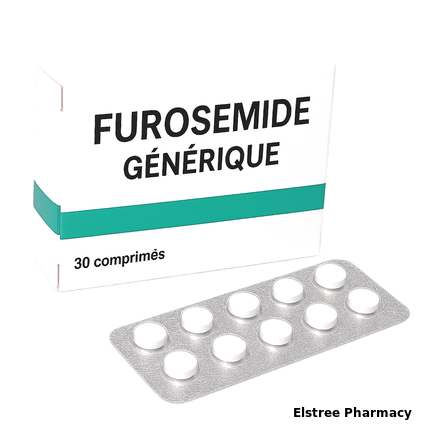
Furosemide is a potent loop diuretic widely prescribed for fluid retention associated with heart failure, liver cirrhosis, kidney disease and hypertension. Unlike some over-the-counter remedies for mild fluid issues, furosemide is classified in the UK as a Prescription Only Medicine (POM). That means you cannot legally purchase or order furosemide from any UK pharmacy or online supplier without a valid prescription from a qualified prescriber. Any online vendor claiming to sell furosemide without prescription would be acting outside UK regulations and should be approached with caution. While many people search to buy furosemide cheap generic online in the UK, registration of an appropriate prescription is essential to ensure that the medicine is used safely under medical supervision.
Even though you may find suppliers offering cheaper or cheap generic furosemide online and advertising order furosemide without prescription, such practices pose significant risks. Legitimate UK pharmacies require a doctor’s prescription, check for potential contraindications and verify safe dosing before dispensing. Self-medication with loop diuretics can lead to electrolyte imbalance, dehydration, kidney injury and other serious effects if unsupervised. Always seek medical advice and obtain a valid prescription to purchase or order authentic furosemide in the UK.
In the United Kingdom, medicines are split into three main legal categories: General Sales List (GSL), Pharmacy medicine (P) and Prescription Only Medicine (POM). A POM can only be supplied when a registered healthcare professional issues a valid prescription. This classification applies to drugs which require professional oversight due to potential side effects, interactions or monitoring requirements; furosemide falls squarely into this category.
Furosemide’s pharmacological action—accelerating fluid and salt excretion through the kidneys—can quickly alter blood volume, electrolytes and kidney function. Without professional guidance, inappropriate dosing can cause low blood pressure, severe dehydration, dangerous drops in potassium or sodium and adverse cardiac or renal outcomes. A POM classification ensures that each patient’s medical history, co-medications and laboratory results guide safe use.
When issued by a doctor or specialist nurse, prescriptions are tailored to individual needs, with recommended initial dosing, dose adjustments and follow-up tests planned. UK pharmacies verify prescriptions, counsel patients on administration timing—often early morning to avoid nocturia—and emphasise the importance of routine monitoring. This pathway ensures that generic or branded furosemide is used responsibly.
Furosemide is one of the most widely used loop diuretics. It acts on the renal tubules, specifically at the thick ascending limb of the loop of Henle, to inhibit sodium-potassium-chloride cotransport. By preventing reabsorption of these electrolytes, furosemide increases urine production (diuresis), helping to remove excess fluid from tissues and the bloodstream.
Furosemide was first introduced in the 1960s as a breakthrough treatment for oedema linked to heart failure and kidney disease. Over decades, it has become a mainstay of therapy for fluid overload conditions and, in lower doses, an adjunctive antihypertensive agent. Its inexpensive generic versions have improved affordability, making it one of the most cost-effective diuretics worldwide.
Generic formulations contain the same active pharmaceutical ingredient at the same strength as branded versions. Because patents have expired, multiple manufacturers produce furosemide, driving competition and enabling cheaper prices. UK patients frequently purchase generic furosemide to reduce expenses, especially when lifelong therapy is required.
Furosemide targets the NKCC2 cotransporter in the thick ascending limb of the loop of Henle. By inhibiting sodium and chloride reabsorption at this site, it generates a powerful natriuretic and diuretic effect. Water follows the retained solutes into the urine, producing increased urine volume—often 2–4 liters more per day in responsive individuals.
After oral administration, furosemide’s diuretic effect typically begins within 30–60 minutes, peaks at around 1–2 hours, and lasts 6–8 hours. In intravenous form, onset can occur within 5 minutes, with a shorter peak time and similar duration. Timing doses in the early morning helps patients avoid nocturnal polyuria and sleep disturbance.
Loop diuretics like furosemide are more potent than thiazide-type diuretics and are effective even when glomerular filtration rate is low. Thiazides act on the distal convoluted tubule and have a milder diuretic effect, making loops the preferred choice for severe oedema and advanced renal impairment.
Furosemide’s primary UK-indicated uses include:
Clinicians may prescribe furosemide off-label for conditions such as hypercalcemia or acute hyperkalemia, where rapid diuresis helps correct electrolyte imbalances. Off-label use is guided by specialist opinion and local policies.
Oral doses for oedema typically start at 20–40 mg once or twice daily, with adjustments based on response and renal function. Hypertension dosing is lower, often 20–40 mg once daily. Intravenous doses for acute care can range from 20 up to 200 mg, titrated to effect.
Prices vary by brand, pack size and retailer. Generic furosemide is often available at cheap rates compared to branded versions. For example:
| Product | Strength | Pack size | Approx. Price (GBP) | Status |
|---|---|---|---|---|
| Furosemide 20 mg tablets (generic) | 20 mg | 28 tablets | £2.50–£3.50 | Prescription Only |
| Furosemide 40 mg tablets (generic) | 40 mg | 28 tablets | £3.00–£4.00 | Prescription Only |
| Lasix® 20 mg (branded) | 20 mg | 28 tablets | £10.00–£12.00 | Prescription Only |
To buy or order furosemide in the UK, you need a valid prescription. Licensed UK online pharmacies such as Elstree Pharmacy dispense genuine stock, verify prescriptions and offer secure delivery. Look for clear contact details, registered pharmacy premises and MHRA registration numbers to ensure safety.
Differences reflect manufacturer discounts, wholesale agreements, pack size, presentation (tablet vs. oral solution) and retailer markup. Bulk dispensing by pharmacies often allows lower per-unit costs.
Furosemide is commonly available in 20 mg and 40 mg tablet strengths. Some formulations also exist as 10 mg/mL oral solution for pediatric or feeding-tube use, and as injectable concentrate for intravenous administration in hospitals.
Tablets are suitable for most outpatients. Oral solutions offer dosing flexibility for patients requiring small or precise doses. Injectable forms allow rapid onset in acute settings but must be administered by healthcare professionals.
Pack sizes range from 14 to 100 tablets. Smaller packs may be ideal for short-term therapy, while larger packs reduce dispensing frequency for chronic users. Prescription duration typically limits pack size to a 28- or 30-day supply.
Generic furosemide contains the same active ingredient at identical strengths to branded Lasix® or Frumil®. Regulatory standards ensure equivalent bioavailability, efficacy and safety. Excipients and tablet appearance may differ, but therapeutic outcomes remain consistent when switching under supervision.
Generic brands benefit patients and healthcare systems by reducing pharmacy and NHS costs. Bulk purchasing agreements often translate into lower patient co-payments or private costs.
Check manufacturer details in the patient information leaflet, look for the UK marketing authorisation number (PL code) on the pack, and purchase only from MHRA-licensed pharmacies. Avoid overseas or unlicensed vendors that may supply counterfeit products.
Common side effects of furosemide include:
Regular blood tests to check electrolytes, renal function and fluid status are essential, especially in long-term use. Potassium supplements or potassium-sparing agents may be co-prescribed to avoid hypokalemia. Dose adjustments reduce dizziness risk by preventing rapid blood pressure drops.
Rare but serious effects include severe dehydration, acute kidney injury, hearing loss (ototoxicity) at high IV doses, and blood dyscrasias. Any new symptoms such as ringing in the ears, extreme fatigue or confusion warrant immediate medical review.
Drugs affecting renal function or electrolytes may change furosemide requirements. Only a healthcare professional can balance benefits and risks, reinforcing the need for POM status.
Chronic furosemide users require routine follow-up to ensure safety and efficacy. Monitoring typically includes:
Dose adjustments based on test results help prevent complications such as hyponatremia or renal impairment. Dietary guidance, including adequate fluid and electrolyte intake, supports long-term tolerability.
Furosemide is strictly POM due to its potency and safety profile. It cannot be reclassified as Pharmacy (P) or General Sales List (GSL) because of potential for misuse and serious side effects.
P medicines can be sold without a prescription but only under the supervision of a pharmacist. Such classification applies to lower-risk drugs; for example, some antihistamines, antacids or topical treatments—but not furosemide.
GSL status allows sale in supermarkets or convenience stores without pharmacist oversight. GSL items are low-risk and used for minor ailments, including some painkillers, laxatives and cough remedies.
Patients must balance fluid restriction for oedema with adequate hydration to avoid dehydration. Healthcare providers give tailored advice based on cardiac or renal status, daily weight records and blood test results.
Potassium-rich foods (bananas, oranges, spinach) may help offset hypokalemia; however, patients on potassium supplements should avoid excessive dietary potassium. Sodium intake is generally limited to reduce fluid retention.
Maintaining healthy weight reduces cardiac workload. Gentle exercise enhances venous return, whereas prolonged standing or sudden posture changes may increase dizziness risk when on diuretics.
At Elstree Pharmacy, you can purchase or order generic furosemide safely, benefiting from our competitive price offers for community care patients in the UK.
A generic medicine must demonstrate bioequivalence to a reference branded product, ensuring the same rate and extent of absorption. In the UK, generics undergo rigorous MHRA evaluation, guaranteeing quality, safety and efficacy.
Different manufacturers may use varied excipients, tablet size or pack designs. Always read the patient information leaflet provided to understand specific instructions, warnings and ingredient lists.
Reliable resources include the MHRA website, Electronic Medicines Compendium (eMC), and official Summary of Product Characteristics. For personalised advice, consult our pharmacy team at Elstree Pharmacy (The Corner Shop B, High Street, Elstree, WD6 3BY).
Remember, this information does not replace professional medical advice. Always discuss any concerns with your GP or pharmacist before starting or modifying treatment.